Common Causes of Rusted Metal Roofing in Coastal Areas
@connerjqau557
Living along Brisbane Northside's coastal strip—from the breezy shores of Sandgate, Brighton, and Shorncliffe to the borders of the Redcliffe Peninsula—offers stunning bay views and a relaxed coastal lifestyle. However, the exact marine conditions that make these suburbs desirable also create a punishing environment for metal roofing. Airborne salt spray, intense sub-tropical UV radiation, and elevated humidity work relentlessly to compromise standard protective coatings, leading to rapid surface oxidation and structural degradation.
Key Factors Accelerating Roof Rust in Coastal Environments
Metal roof degradation in coastal areas rarely stems from a single factor. Instead, corrosion is usually driven by a combination of atmospheric conditions, roof design oversights, and natural chemical reactions unique to the coastal fringe.
1. Airborne Salt Deposition and "Unwashed Areas"
Sea breezes carry microscopic salt particles inland across Moreton Bay. While rainwater naturally washes salt deposits off steep, exposed roof pitches, areas shielded from rainfall—such as under broad eaves, beneath solar panel arrays, and inside patio awnings—accumulate dense crusts of sodium chloride. In Brisbane's humid climate, this salt crust absorbs atmospheric moisture and forms an aggressive electrolyte solution, continuously corroding the underlying steel sheet even on dry days.
2. Galvanic Corrosion from Dissimilar Metals
Galvanic corrosion occurs when two electrochemically incompatible metals come into direct contact in the presence of an electrolyte, such as salt-laden coastal moisture. Common mistakes include pairing standard zinc-coated fasteners with premium aluminium-zinc alloy roofing, or using copper overflow pipes above steel gutters. In high-salinity zones, the more active metal corrodes at an accelerated rate, frequently leading to localized fastener failure and perforation around screw holes.
3. Organic Debris and Ponding Moisture
Coastal storms frequently deposit foliage from coastal banksias, gum trees, and palms onto rooftops. When organic matter collects in roof valleys, flat transitions, or gutters, it traps moisture against the metal surface. As this debris decays, it releases organic acids that strip protective anti-corrosive coatings, creating ideal micro-environments for pitting rust and rust-through.
4. Cut-Edge Creep and Inadequate Material Selection
When metal sheets are cut on-site using friction saws or abrasive discs instead of mechanical shears, the intense heat destroys the protective zinc-aluminium coating along the cut line. Exposed steel edges directly face the marine atmosphere, triggering a process known as cut-edge creep. Furthermore, installing standard roofing grades instead of specialized marine-grade profiles (such as Colorbond Ultra or high-durability aluminium substrates) significantly shortens a roof's lifespan in harsh maritime boundary zones.
Early Warning Signs of Coastal Metal Roof Deterioration
Catching corrosion early prevents costly structural roof replacements. Brisbane Northside homeowners should monitor their roofs https://zaneqppp254.clearhavendigest.com/posts/best-roofing-materials-for-brisbane-x27-s-subtropical-climate for the following early indicators:
- Blistering or bubbling paint: Indicates moisture and oxidation forming underneath the factory finish.
- Red rust around fixings: Shows that fastener seals have failed, allowing moisture to breach the screw shank.
- White powdery deposits: Early-stage oxidation of zinc or aluminium coatings, warning that the sacrificial protection layer is degrading.
- Discolouration beneath eaves: Accumulation of salt and chemical fallout attacking the metal in sheltered overhangs.
Effective Strategies to Protect Your Coastal Roof
Protecting a coastal property requires proactive asset management aligned with current Australian roofing standards and local manufacturer warranty requirements:
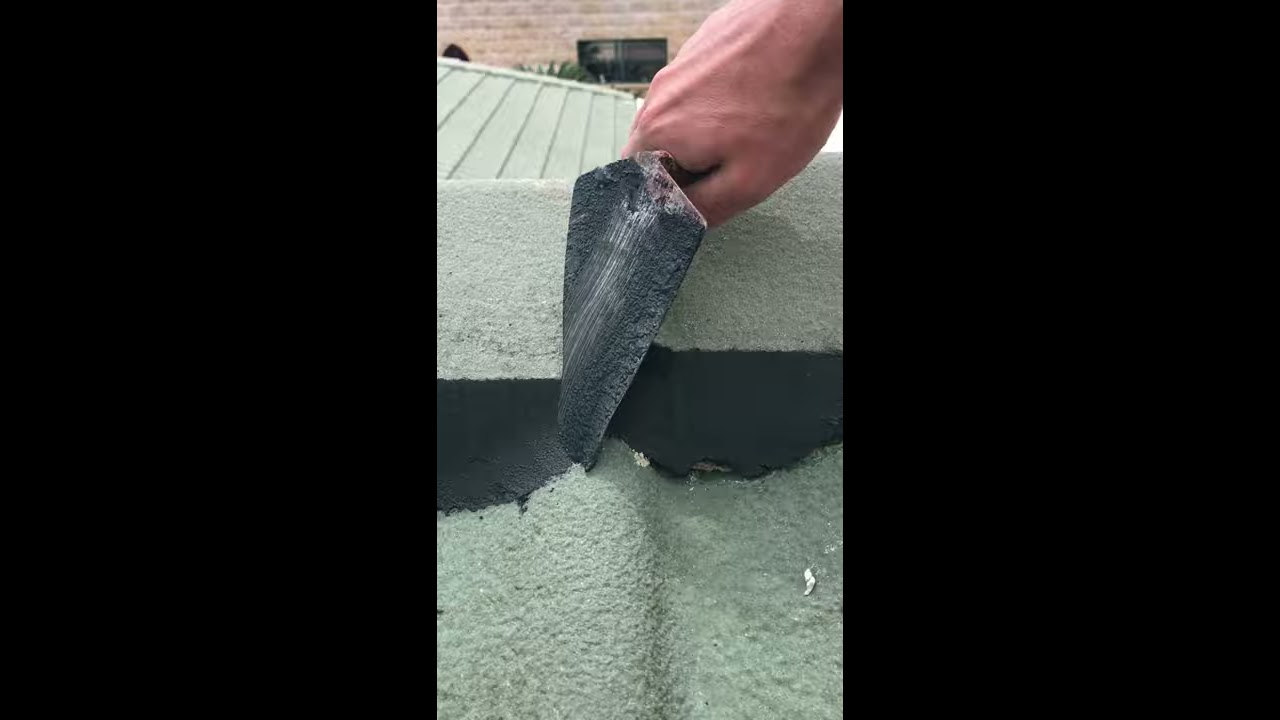
- Schedule regular freshwater rinses: Hose down sheltered and unwashed roof sections every six months to dissolve corrosive salt deposits.
- Specify marine-grade materials: When replacing or repairing sections, invest in marine-rated steel or aluminium profiles engineered specifically for severe coastal environments.
- Inspect and replace degrading fixings: Use Class 4 or Class 5 corrosion-resistant fasteners fitted with UV-stabilised EPDM washers.
- Maintain debris-free water flow paths: Keep gutters, valleys, and downpipes completely clear of trapped foliage and silt.
By understanding how maritime microclimates interact with metal structures, homeowners in Brisbane Northside can proactively safeguard their properties. Routine professional roof inspections and timely preventative maintenance remain the most cost-effective investments for extending the performance and aesthetic appeal of any coastal roof system.
Brisbane Northside Roof Restoration
Unit 3/3 Harvton St, Stafford QLD 4053
(07) 3130 0990